
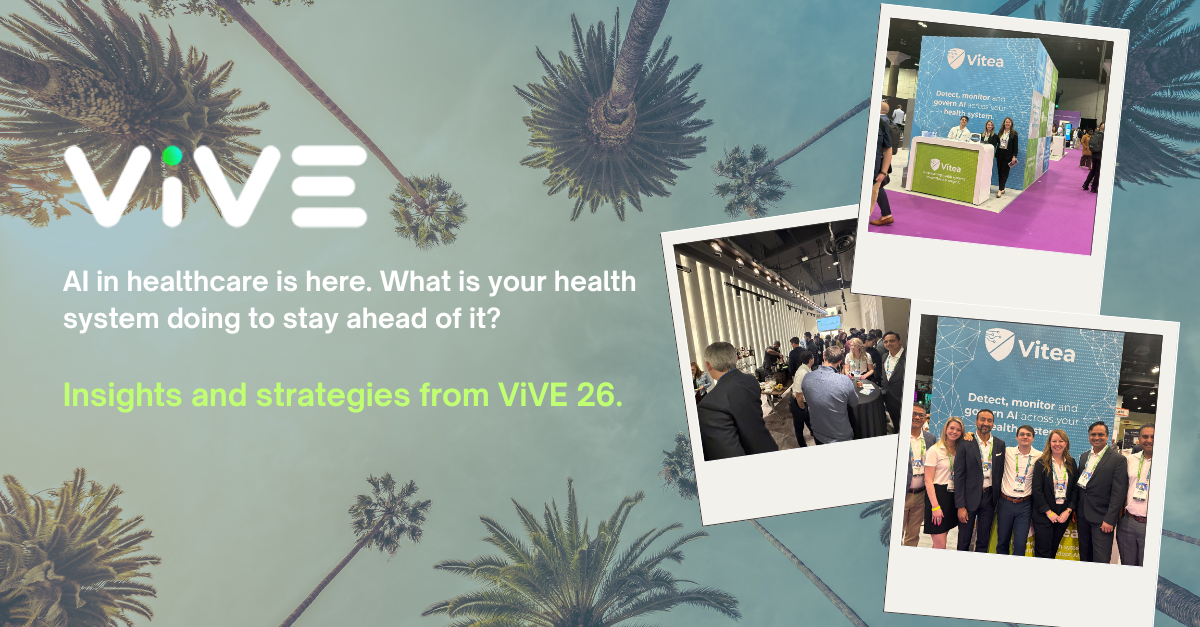
The 2026 ViVE conference in Los Angeles made one message unmistakably clear: AI in healthcare has fully entered its next phase. Conversations across the event shifted from experimental concepts to operational reality, with hospital executives demanding scalable systems, measurable ROI, and foundational infrastructure to support safe, responsible deployment. At a time when health systems face mounting financial pressures, workforce shortages, and accelerating digital expectations, ViVE highlighted three themes that should be top‑of‑mind for C‑suite leaders nationwide.
A defining message at ViVE 2026 was that the era of AI pilots and proofs‑of‑concept is evolving. Healthcare organizations are now focused on systems that integrate into real workflows and improve outcomes without adding friction.
Discussions centered on AI‑powered clinical decision support, revenue cycle optimization, automation to reduce administrative burden, and predictive analytics targeting throughput and safety. Hospital executives repeatedly emphasized that AI must show measurable ROI—financial, clinical, or operational—before adoption.
For hospital C‑suites, this shift means that procurement strategies, vendor evaluations, and strategic plans must now require evidence‑based value and architecture capable of supporting scale.
"Best find at ViVE?? Vitea -- Detect, monitor, and govern AI across your health system. Congrats to the ole Jvion team of Shantanu and Ritesh on the creation of Vitea AI to support healthcare systems in governing their AI investments. Amazing demo with the ability to track usage, protect PHI, measure KPIs, and find all those "shadow" AI projects out there. A must have for the busy CIO / CISO worrying about AI creep and thinking of how to actually implement their AI governance strategy."
- David Bradshaw, healthcare IT industry leader and former CIO at Memorial Hermann
With staffing shortages continuing to pressure hospitals,ViVE reaffirmed growing expectations that AI must directly support workforce stabilization, not merely improve efficiency. Conversations highlighted AI‑powered documentation tools, intelligent assistants, and predictive staffing models as maturing capabilities that help reduce cognitive load, administrative burden, and clinician burnout.
This theme echoes earlier discussions at ViVE 2025, where leaders emphasized AI’s potential to relieve administrative burden, improve workforce planning, and even support retention by aligning schedules and skillsets more effectively.
The takeaway for hospital executives is clear: workforce‑centric AI is now seen as an essential lever for clinical sustainability. Prioritizing tools that tangibly improve clinician experience can strengthen both retention and quality of care.
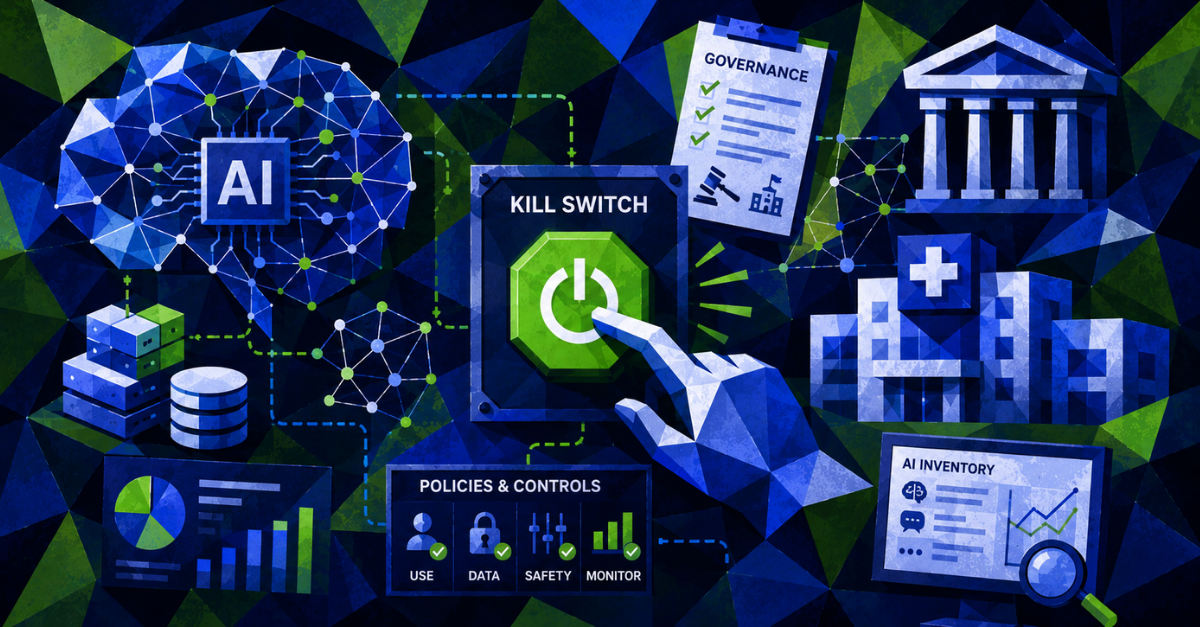
Perhaps one of the most urgent themes emerging from ViVE was the rising focus on AI governance. Across panels and executive conversations, leaders underscored the need for transparent, ethical, and accountable AI systems—before shadow AI becomes a major problem and rapid innovation outpaces the industry’s ability to regulate and monitor it.
At ViVE 2025, leaders warned of growing concerns about liability, transparency, and “black box” decision‑making, urging vendors to develop AI that is interpretable, auditable, and responsibly deployed.
This year’s conference echoed that urgency, with discussions highlighting the need for clear governance frameworks, monitoring mechanisms, and validated data sources as AI becomes deeply embedded across clinical and operational workflows. In particular, leaders emphasized that governance must evolve in parallel with adoption—not trail behind it.
For hospital executives, this moment represents a narrow window to:
As AI tools become more autonomous and deeply integrated, the organizations that invest in robust governance today will be best positioned to ensure safe, trustworthy adoption tomorrow.
This year’s ViVE showcased an industry in rapid acceleration—one committed not just to exploring the future of AI, but to operationalizing it responsibly, efficiently, and with meaningful clinical impact. For hospital technology leaders, three priorities emerged:
As health systems face rising pressures to modernize, these themes offer a roadmap for adopting AI that is safe, unsustainable, and strategically aligned with organizational priorities.
Are you ready to adopt and govern your AI? Let's connect!















.png)




















.png)


.png)
.png)